
Road + Number
e.g., Sejong-daero 110, Teheran-ro 521
Search and convert Korean addresses to English.
Find road addresses, zip codes, and more.
Regional hot places are collected based on today's cumulative data.
e.g., Sejong-daero 110, Teheran-ro 521
e.g., Seoul City Hall, Gangnam Station
e.g., Yeoksam-dong 737, Samseong-dong 159
Korea's road name address system (도로명주소), implemented nationwide in 2011, assigns a road name and sequential building number to every structure. Unlike the old lot-based system (지번), it reflects actual street layout — making navigation and delivery far more efficient.
The address structure is: Province/City → District → Road Name → Building Number. For example, in "서울특별시 종로구 세종대로 110," "세종대로" (Sejong-daero) is the road and "110" is the building number. Odd numbers are on the left side of a road from its start; even numbers on the right.
Romanization follows the Revised Romanization of Korean (Ministry of Culture, Sports and Tourism). Key rules: ① Vowels: ㅏ→a, ㅓ→eo, ㅗ→o, ㅜ→u ② Tense consonants (ㄲ·ㄸ·ㅃ) are written as plain (g·d·b) ③ Final consonants: ㄱ→k, ㄴ→n, ㄹ→l.
English address order is the reverse of Korean: Building Number → Road Name → District → City → Country → Postal Code.
Common road suffixes: Daero — boulevard (8+ lanes), Ro — road (general), Gil — alley/small street. The suffix is written as one hyphenated word (e.g., Sejong-daero, Teheran-ro, Insadong-gil).
Published: 2025-11-01
A complete guide to the Korean address system for newcomers. Understand road addresses, lot numbers, English format, and zip codes with real examples.
Read →Published: 2025-11-15
How to fill in a Korean address for Amazon, eBay, DHL, FedEx, and other international services. Address Line 1/2, Zip examples, apartment format, and 7 common mistakes to avoid.
Read →Published: 2025-12-01
An introduction to Seoul's two halves: Gangnam (south of the Han River) and Gangbuk (north). Key roads, address patterns, and what each area is known for.
Read →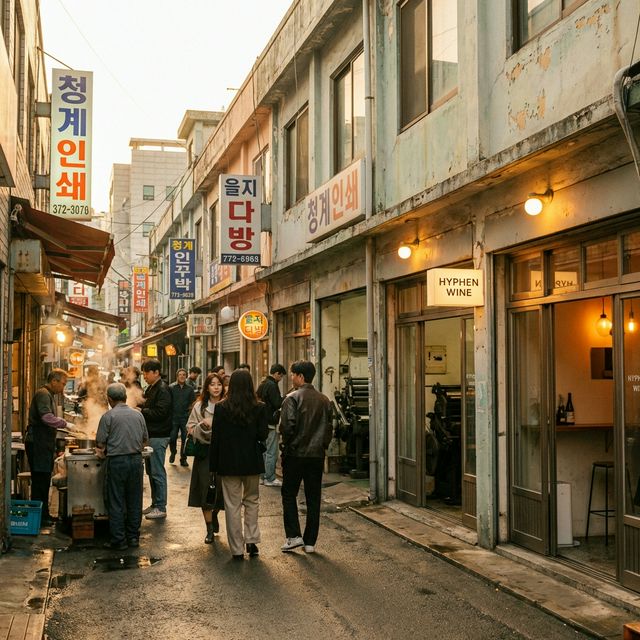
Named after General Eulji Mundeok of Goguryeo. Recently popular as 'Hipji-ro', a blend of industrial history and modern vibes.
Read →
Named after King Sejong the Great. It serves as the historical and administrative heart of South Korea.
Read →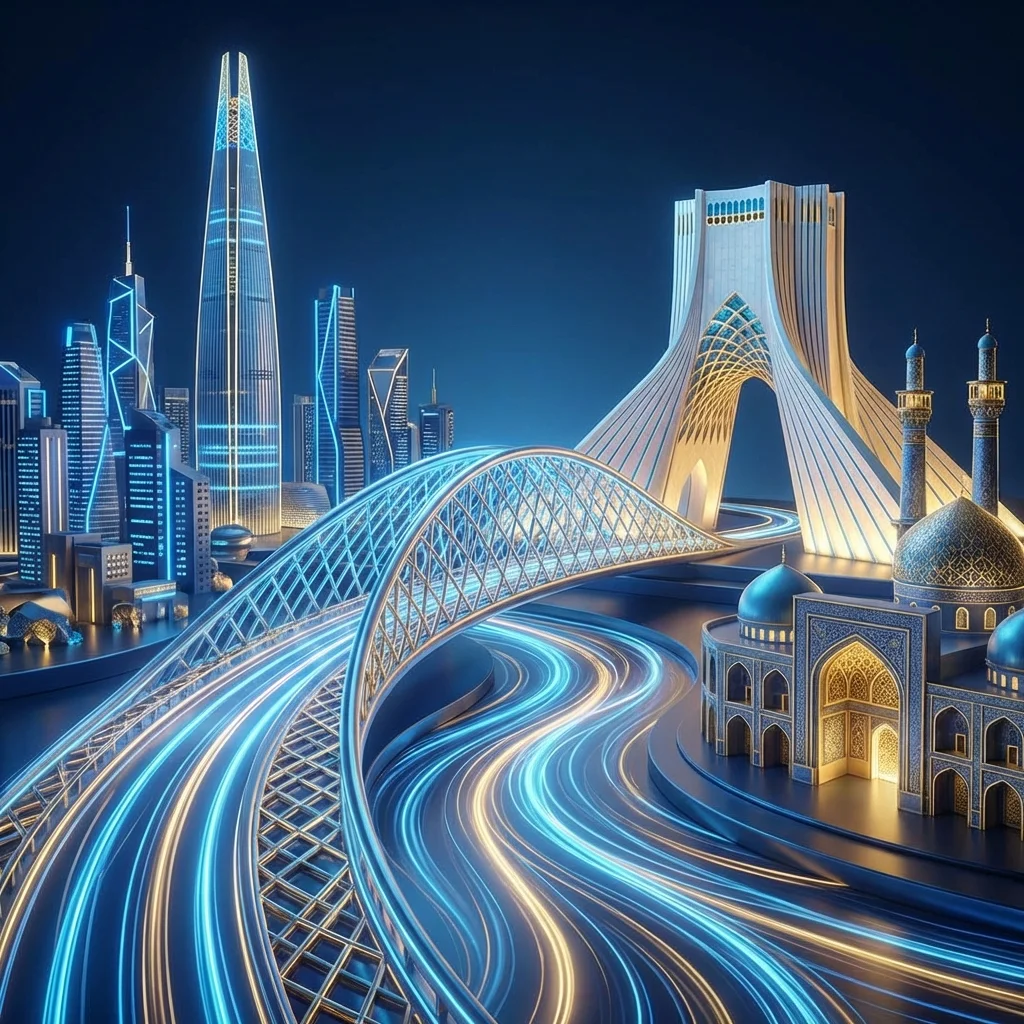
Named in 1977 to commemorate the sister city relationship between Seoul and Tehran. Now the hub of Korea's venture industry.
Read →Check the road address, English address, and zip code of major places in Korea.